- 学术动态
报告题目:Highly Efficient Oxygen Evolution Reaction Electrocatalysts: From Mechanistic Understanding to Catalyst Design
报 告 人:新加坡国立大学材料科学与工程系Xue Jun Min教授
报告时间:2026年10月19日(周一)上午9:30
报告地点:莫干山校区材料楼C306会议室
邀 请 人:高分子材料与工程研究所 曹澥宏 教授
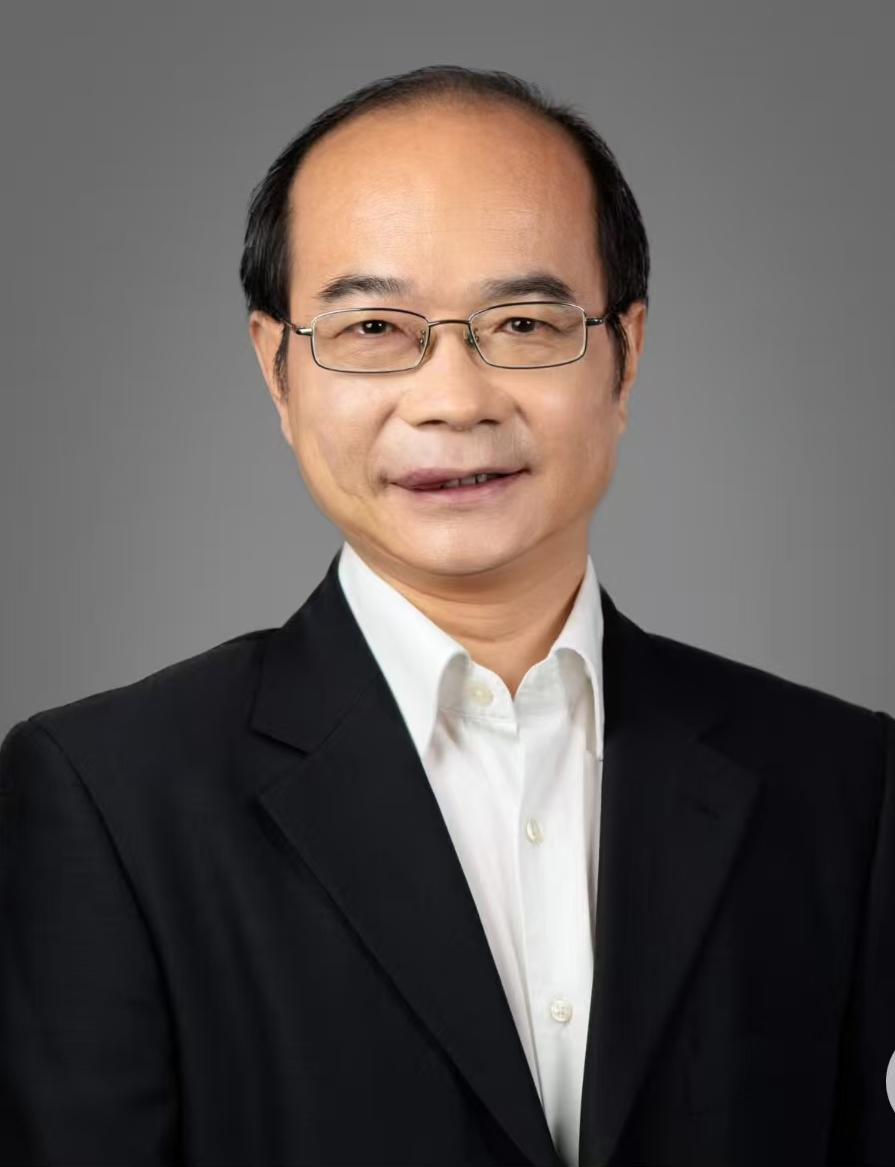
报告人简介:
Professor Xue Jun Min received his PhD from the Shanghai Institute of Ceramics, Chinese Academy of Sciences. He is currently Professor and Head of the Department of Materials Science and Engineering at the National University of Singapore (NUS), where he also leads the Energy Materials and Catalysis Laboratory. His research focuses on functional materials for energy storage and conversion, with recent emphasis on water electrolysis for green hydrogen production, particularly the oxygen evolution reaction (OER). His work covers the design and synthesis of transition-metal oxides and (oxy)hydroxides, perovskites, and noble-metal oxide catalysts, with a focus on electronic structure engineering and fundamental reaction mechanisms. By combining controlled materials synthesis with in situ and operando characterization and theoretical calculations, Professor Xue investigates catalyst reconstruction, redox-active centers, and structure–property relationships under realistic reaction conditions. His research also seeks to bridge fundamental mechanistic understanding with practical applications under industrial current densities and long-term operating conditions. His work has been published in leading international journals, including Nature, Nature Sustainability, Nature Communications, Energy & Environmental Science, Journal of the American Chemical Society, and Angewandte Chemie. He is internationally recognized for his research in water oxidation catalysis, lattice oxygen mechanisms, and green hydrogen production.
报告内容摘要:
The sluggish oxygen evolution reaction (OER) remains a major bottleneck in electrochemical water splitting for green hydrogen production. This presentation highlights our recent progress in understanding OER mechanisms and developing highly efficient electrocatalysts. By integrating materials synthesis, advanced characterization, and theoretical calculations, we establish relationships between catalyst electronic structures, reaction pathways, and catalytic performance. Particular attention is given to orbital band broadening, spin-state regulation, reaction-step kinetics, and unconventional OER mechanisms. These mechanistic insights guide the rational design of advanced electrocatalysts, bridging fundamental understanding with practical applications in membrane electrode assemblies for efficient and sustainable hydrogen production.
 常用链接
 联系方式